On a Monday night this summer, Rick Bratman was driving through downtown Jacksonville with a member of his staff after a media mixer. The two of them kept looking up.
Every tower downtown has a name on it. Banks. Insurers. Health systems. Bratman has spent years trying to get a meeting inside one.
“We’re like, look at all the big companies that are on these office buildings,” he said, “and none of them will even have a conversation with us. It’s crazy.”
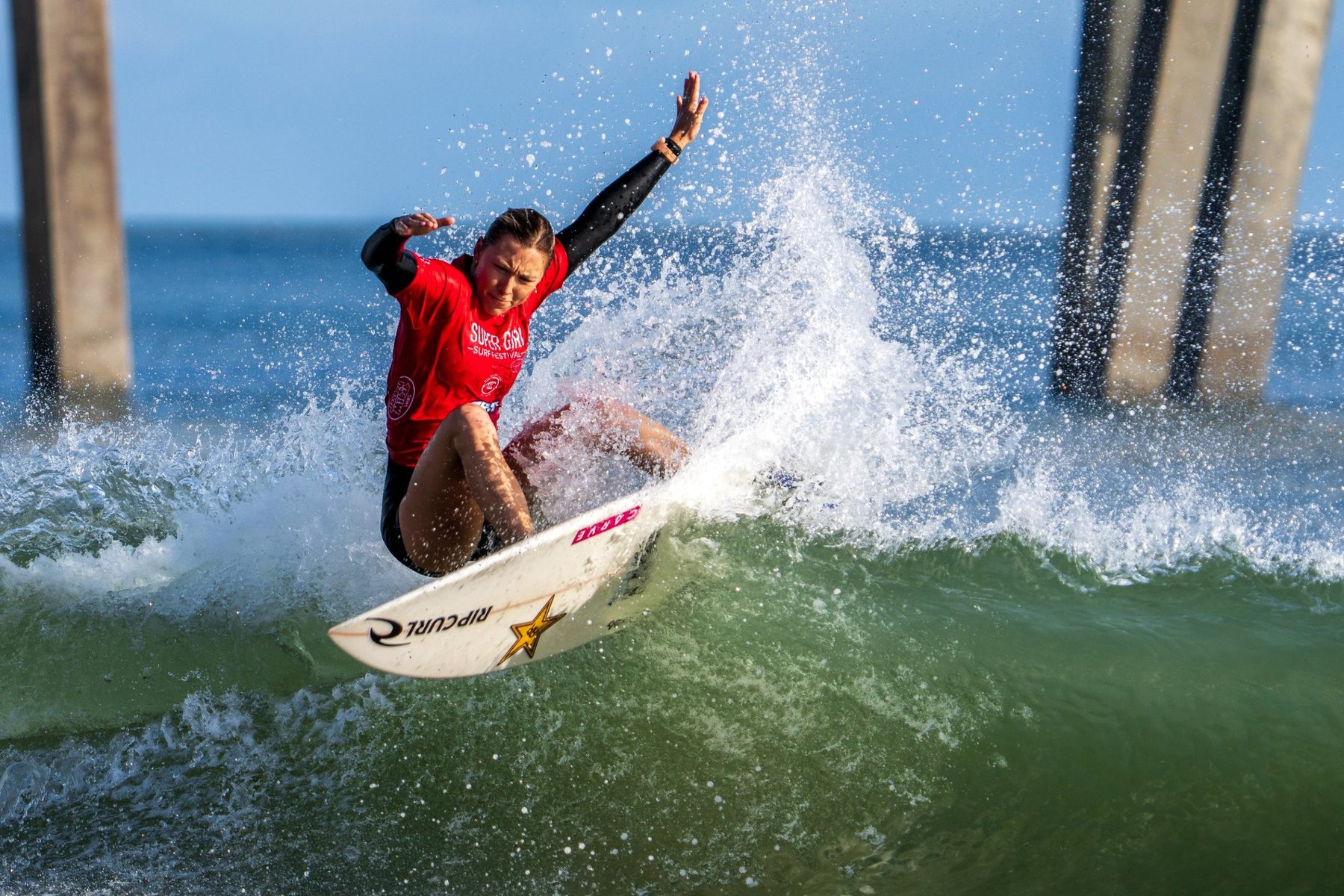
Bratman is the founder and CEO of ASA Entertainment, the Melbourne-based company that produces the Super Girl Surf Festival, with the Super Girl Surf Pro at its center. The festival brings a World Surf League Qualifying Series contest and live music to Jacksonville Beach each November, and admission is free. ASA bills it as the world’s largest women’s surf, music and lifestyle festival. Last year’s Jacksonville edition drew over 2,000 competitors across more than 10 sports.
He is proud of it. He would also like some help.
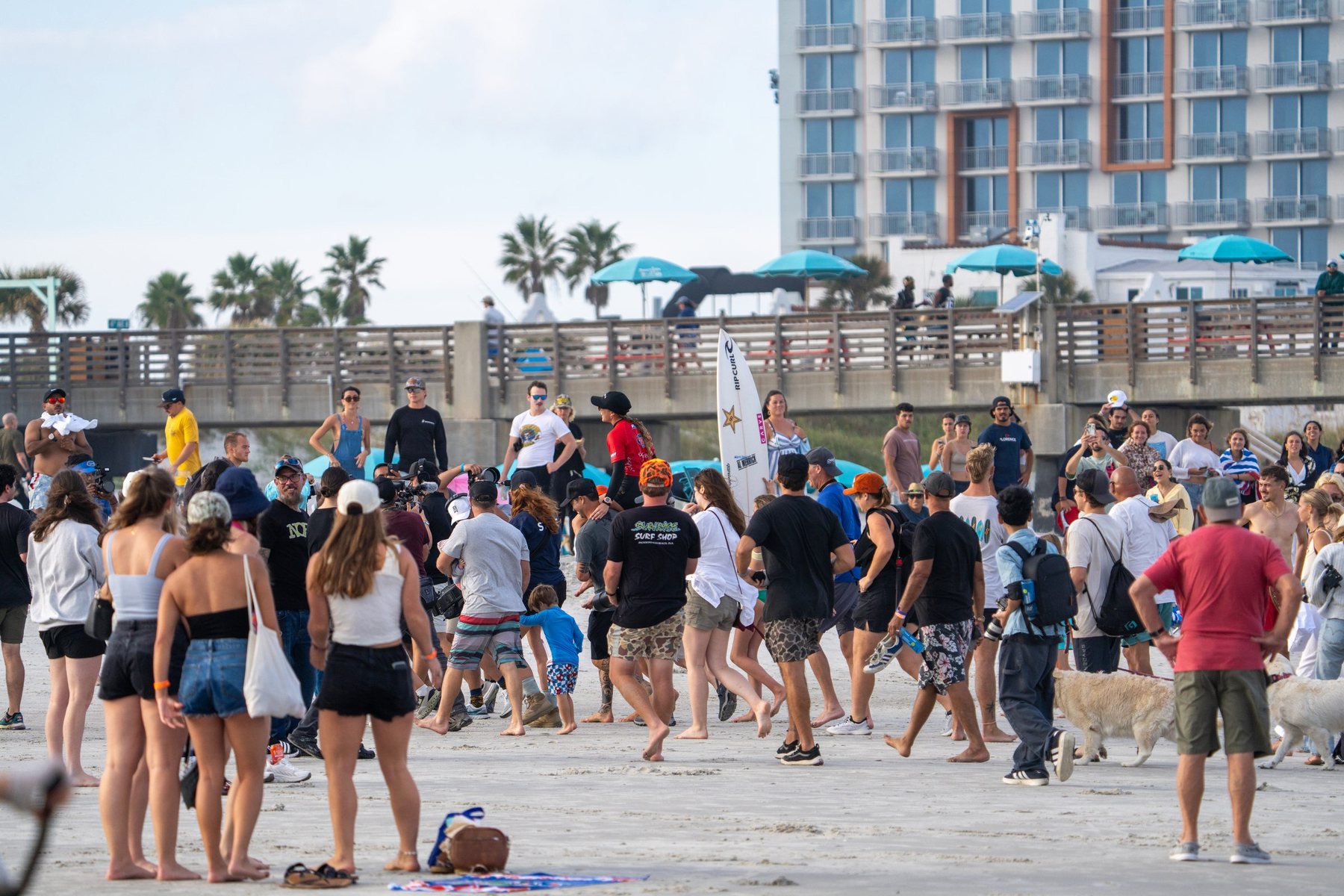
On contest days, everything turns toward the water. The crowd at the Jacksonville Beach Pier is big from the early rounds and grows with every heat, until the beach is packed for the final. Serious surf fans, surfers and the families of the girls in the water share the sand with people watching a pro contest for the first time, and the newcomers stay, watching harder as each round raises the stakes.
Plenty of the people on that beach don’t surf at all. When I told a friend I was writing about Super Girl, her first question was when it was this year. Then she turned to her husband and told him they were going. He said they love it. Neither of them surfs. They come back for what the festival brings to Jacksonville Beach. That’s also how new people find it: someone who’s been tells someone who hasn’t.
As the festival prepares for its sixth Jacksonville Beach edition on November 7–8, Bratman says local corporate backing here is the weakest of any major event ASA produces. He warns that the festival cannot remain sustainable without more support. What is at stake is a pathway for young First Coast surfers: a professional stage they can watch, learn from and eventually enter without leaving home.
Why Jacksonville
ASA had been running Super Girl in Southern California for fourteen years when the company started looking east. ASA is a Florida operation, so Florida was the target. Bratman met with seven Florida cities that were interested in hosting.
Bratman had a short list. Waves were on it, but they were not the whole argument.
“One is relatively consistent surf,” he said. “And I say that because there’s no such thing as truly consistent surf in Florida anywhere. But Jacksonville is one of probably the three or four most consistent surf spots.”
The rest was room. Super Girl is a festival built around a surf contest, and Bratman said many of the beaches ASA considered had the waves but not the space for everything that came with them.
“A lot of the beaches that we talked to didn’t really have the infrastructure and the space to host the full festival,” Bratman said. “They could provide great surfing. But we need a place that can fit 50,000 people over a weekend.”
Jacksonville Beach had Seawalk Pavilion. It had a city and a tourism board that liked the idea of a free festival built entirely around empowering women. And it had a temperament Bratman recognized. He describes Jacksonville as a big city with a smaller market’s entrepreneurial streak, and he said that appealed to ASA: “there was a lot of desire to work with us and grow.”
A Professional Stage at Home
The first Jacksonville Beach event ran November 12–14, 2021. This November will be the sixth, and it lands inside ASA’s twentieth year of Super Girl.
Bratman points to the local entries as one sign of the event’s growing place in First Coast surfing.
“Just in the six years we’ve been to Super Girl, the first year we came there was, I think, three girls from Jax that registered for the contest,” Bratman said. “And I think last year there was like 15. So you’re talking about, that’s grown five-fold over the last five years.”
He does not think that growth has peaked.
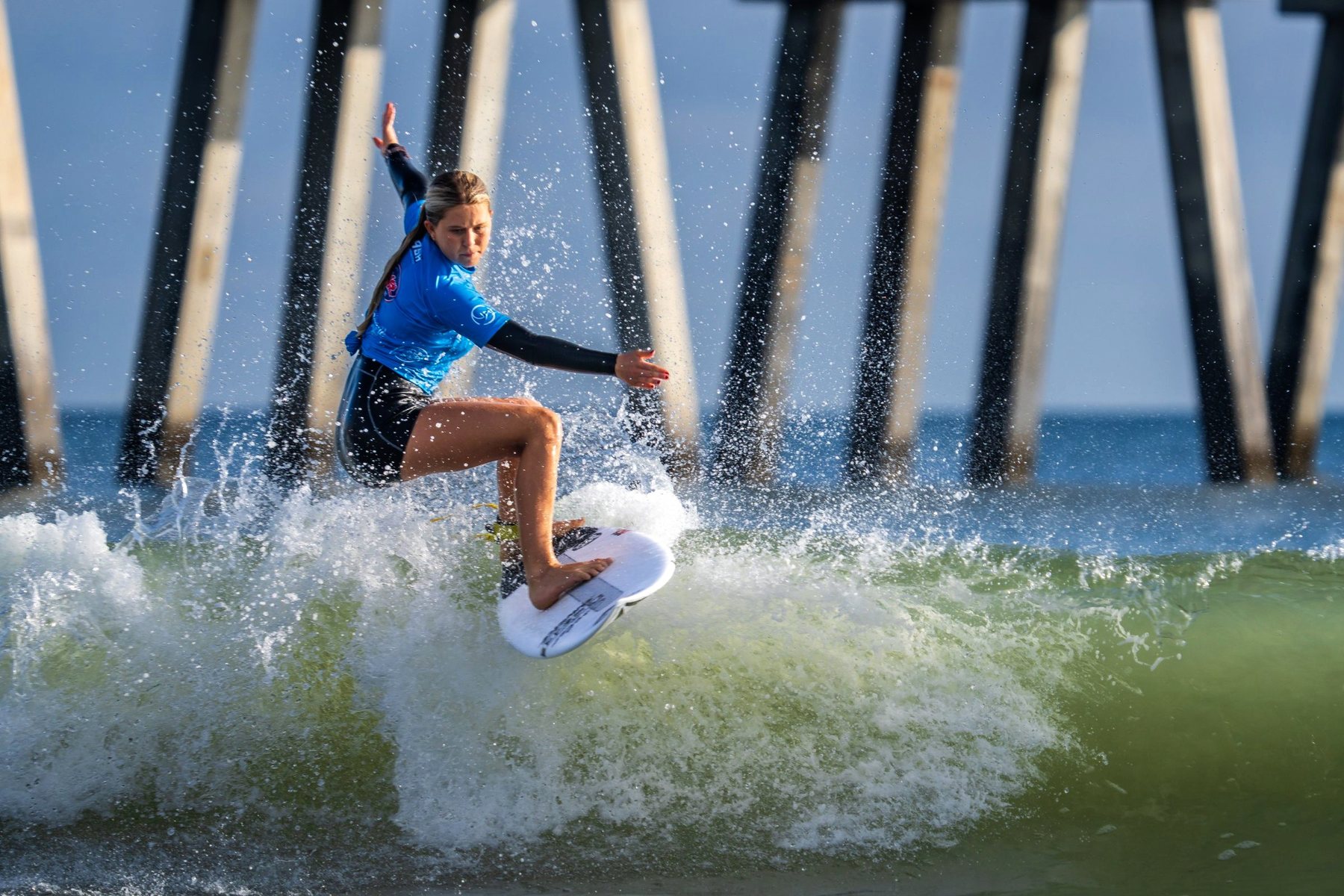
“Now you have all of these young surfers … Lanea Mons is on the verge of really kind of going to a whole other level, and there’s some other really good young rippers, and so it’s just really cool to see,” he said. “… I think this generation is going to put Jacksonville on the map. And that’s one of the reasons why we’re glad to be a part of it, because we’re able to use our platform to showcase a lot of these incredible young women who wouldn’t get an opportunity otherwise.”
The open entry policy is part of the design.
“Super Girl, I think, is the only event that I’m aware of that does not shut down registration,” Bratman said. “Most events are like, we’re only going to have 48 girls. And once the top 48 get in, nobody else can. For us, we don’t turn anybody away. That’s part of the whole model of Super Girl — we want to help build the next generation of bold, powerful women.”
Asked what he would tell a Jacksonville twelve-year-old who wants to get from the beach to the contest, he kept it simple.
“Jump in. Try it. Be a part of it. Experience it. Fail. Learn,” he said. “There’s no such thing as a loss unless you don’t learn from it, right? And when you’re a young kid and you’re just starting your professional journey, these types of environments are invaluable… So I would say if you think you’re ready, jump in, try it.”
“What’s the worst thing that can happen? You lose in the first round, and you have a great story to tell, and you’ve learned.”— Rick Bratman
From the Pier Not the Press Tent
Atlantic Beach’s Sophie Falzone was in the water for that first Jacksonville event, one of the handful of locals in the 2021 draw. She has surfed every Jacksonville Super Girl since. Now 27, she started surfing at four and competing at seven, and her home breaks are two of the busiest on the First Coast: the Jacksonville Beach Pier and Mayport Poles.
“Having a WSL event come to my hometown was honestly a dream come true in 2021 and it’s so awesome to see it continue into 2026,” she said. “I hope it stays here for many years!”
That first field came from the top of the sport. Carissa Moore, then a five-time world champion and fresh off Olympic gold, was among the top seeds, along with Sage Erickson. Caroline Marks made the final.
“I’ve looked up to them since I was a kid so it was really cool to see them surf my home break,” Falzone said. “… Caroline and I grew up competing together so it was great to see a familiar face after a few years!”
Falzone is quick to credit the women’s scene that was already here. Sisters of the Sea ran an all-women’s contest at the pier for more than a quarter century. It has since retired that event in favor of a smaller grom contest and turned its attention to monthly surf meetups, clinics, beach cleanups and its new surf team.
“… Having Super Girl Pro add to that large women’s surf community gave girls another platform to surf and grow!” she said. “Our women’s surf scene is still growing and it’s awesome to see. It feels similar to when I was a kid but it’s much bigger now.”
Her advice to that twelve-year-old comes from the other side of the entry form.
“WSL events are the center stage of surfing. It’s the professional level!” she said. “While it is a fun event to surf, I recommend newcomers to compete in some smaller contests first to get your confidence and experience level up.” For juniors, she points first to the Eastern Surfing Association, the National Scholastic Surfing Association, USA Prime and local pro events. “WSL events are cool but they sure are expensive! You’re looking at a couple hundred dollar entry fee so you definitely want to make sure signing up is worth it to you.”
That math has caught up with her. A full-time graphic design job and a new corgi puppy have taken her training time, and without it she could not justify the entry fee. This November she will be on the sand instead of in the jersey.
“This year will actually be my first year not competing and it’s definitely weird for me but I can’t wait to still hang out at the event and watch some surfing!”— Sophie Falzone
She expects to be back in the draw next year. Her story makes one distinction worth making plain: Super Girl is free to watch and open to anyone who wants to enter. It is not free to surf.
Watching From the Beach
Shannon Clark has been bringing her daughter to this event since the first one.
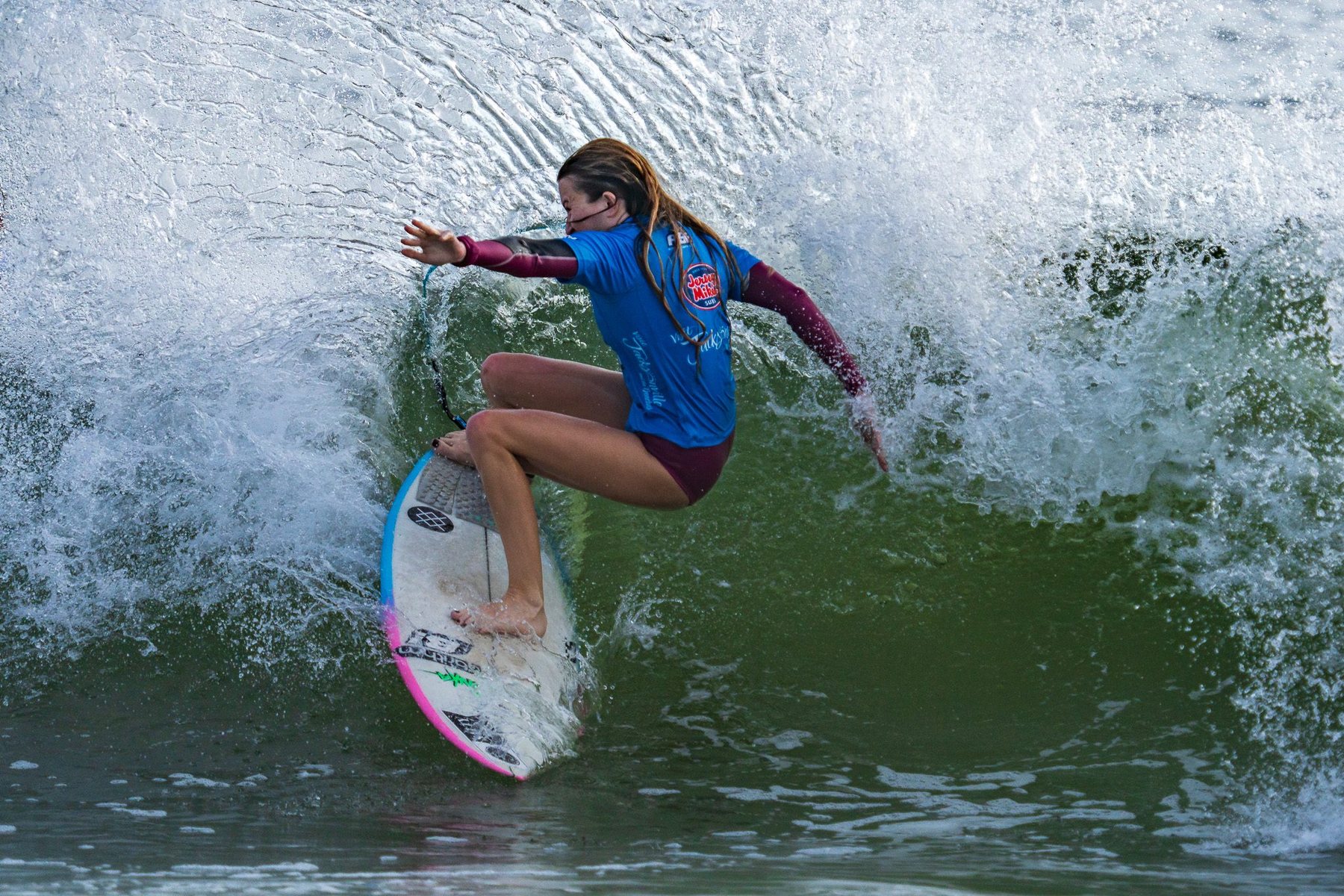
Emerson Clark is 13, from Atlantic Beach. For the past two years she has been in the water at Super Girl without being in the contest, taking part in WSL Rising Tides, a World Surf League clinic that puts local girls in the water with the pros during event week.
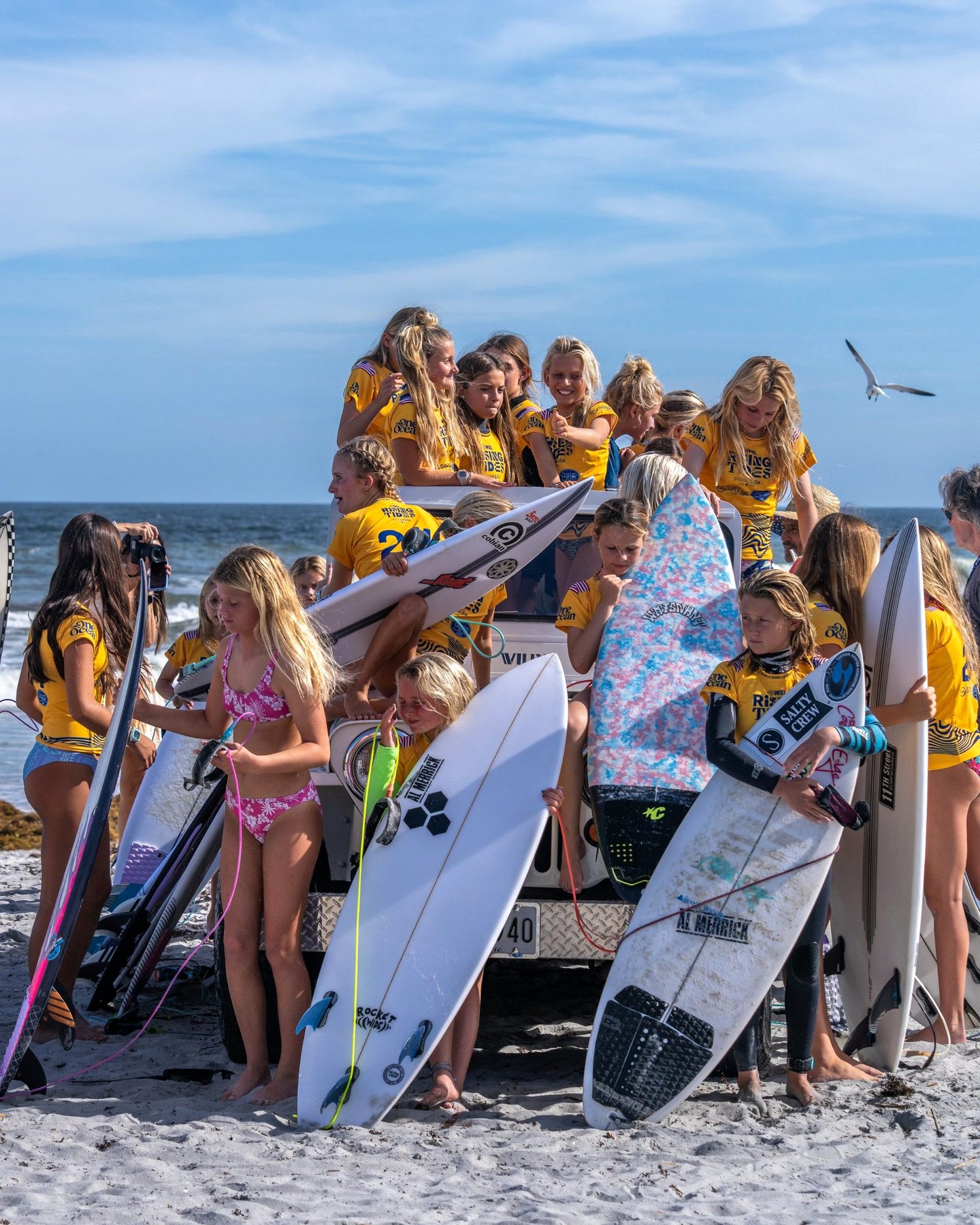
“Super Girl Pro has always been one of her favorite contests to attend,” her mother said, “and she has participated in Rising Tides the last couple of years waiting for her opportunity to compete, so enjoying the experience in her hometown is the most exciting thing.”
Emerson’s turn came in September, at the Super Girl event in Virginia Beach, her first Qualifying Series draw.
“Watching her paddle out into a professional level event at 13 was exciting and we wanted her to enjoy the experience,” Shannon Clark said. “From the beach, we watched the preparation, the focus, and all the work that has gone into getting to that moment. I think she came home with a better understanding of what it takes to compete at that level and even more motivation to keep pushing.”
Being 13 in a field of grown women is part of the lesson.
“Emerson knows she is young, and she understands that competing against experienced women is going to challenge her,” her mother said. “We want her to respect the level of competition and learn from the women around her.”
In November she enters at home, which her mother says is a different proposition.
“Competing at home gives Emerson a sense of comfort because she knows the beach, the waves, and the conditions,” she said. “She knows the lineup, and she has memories and experience in those waves, where traveling comes with some uncertainty with the conditions and waves and she has to spend a little time learning the break.”
Her mother’s hopes for the weekend go beyond the result.
“A good weekend for Emerson at Super Girl would be one that leaves her feeling proud of how she competed, regardless of where she finishes,” she said. “We want her to surf confidently, trust her instincts, stay composed under pressure, and put into practice the things she has been working on. I want her to make memories, enjoy the experience, connect with other surfers, and recognize how fortunate she is to have these opportunities.”
The Heat He Still Talks About
Ask Bratman for a single moment from the Jacksonville Beach events and he goes straight to 2024, and to the day the surf finally showed up.
That year, in the semifinals, Kirra Pinkerton posted the first perfect 10 ever awarded at the Jacksonville event, against Hawaii’s Keala Tomoda-Bannert, for a heat total of 19.83. She went on to beat Canada’s Sanoa Dempfle-Olin in the final.
Bratman says the usual November surf makes that level hard to show here.
“It’s hard when you have two-foot waves to really demonstrate elite level surfing,” he said. “You make the best of it, these are pros, but it also lends itself to girls that are a little bit younger. When you get those types of waves, I mean, Kirra and Sanoa are grown women. They’re powerful surfers.”
Falzone knows those November conditions from the water.
“Jax beach pier surf conditions can be a toss up in November. I’ve seen conditions range from big chop, ankle high flat surf, to actually really fun waves,” she said. “… Anyone can win if they get the right waves in the 15–30 minute heat range.”
It is the semifinal that stays with Bratman.
“That was the single best heat, I think, that I’ve ever seen at Super Girl. And it happened at Jax, which was pretty ironic, because Oceanside would typically have much better waves.”— Rick Bratman
Why Super Girl Exists
His daughter played softball. In Bratman’s account, she went to an academic high school with no softball team. A school half a mile away had one, and the coach there knew her from travel ball and wanted her. So did the players. Boys at her school were permitted to play baseball at that same local school.
She was told she could not play softball.
“And it was like, why? Because I have different body parts than a guy, I can’t have that same opportunity?” he said. “And that’s one of the things that spearheaded this. This makes no sense. We just need to provide the same opportunities for women that we do for men.”
There was a business reason too. ASA had been producing action sports events for more than three decades with women competing the whole way through. In the early years, he said, those women weren’t asking for attention.
“They didn’t really want the platform,” he said. “And then they started progressing at a faster rate than the men, and so we wanted to shine a light on these women in the three core board sports in surf, skate and snow.”
Twenty years on, that is still why he does it.
“I do it because these young women, they inspire me,” he said. “… Women used to sort of shy away from the spotlight and now they not only want the spotlight, but they demand it.”
What It Takes to Keep It Free
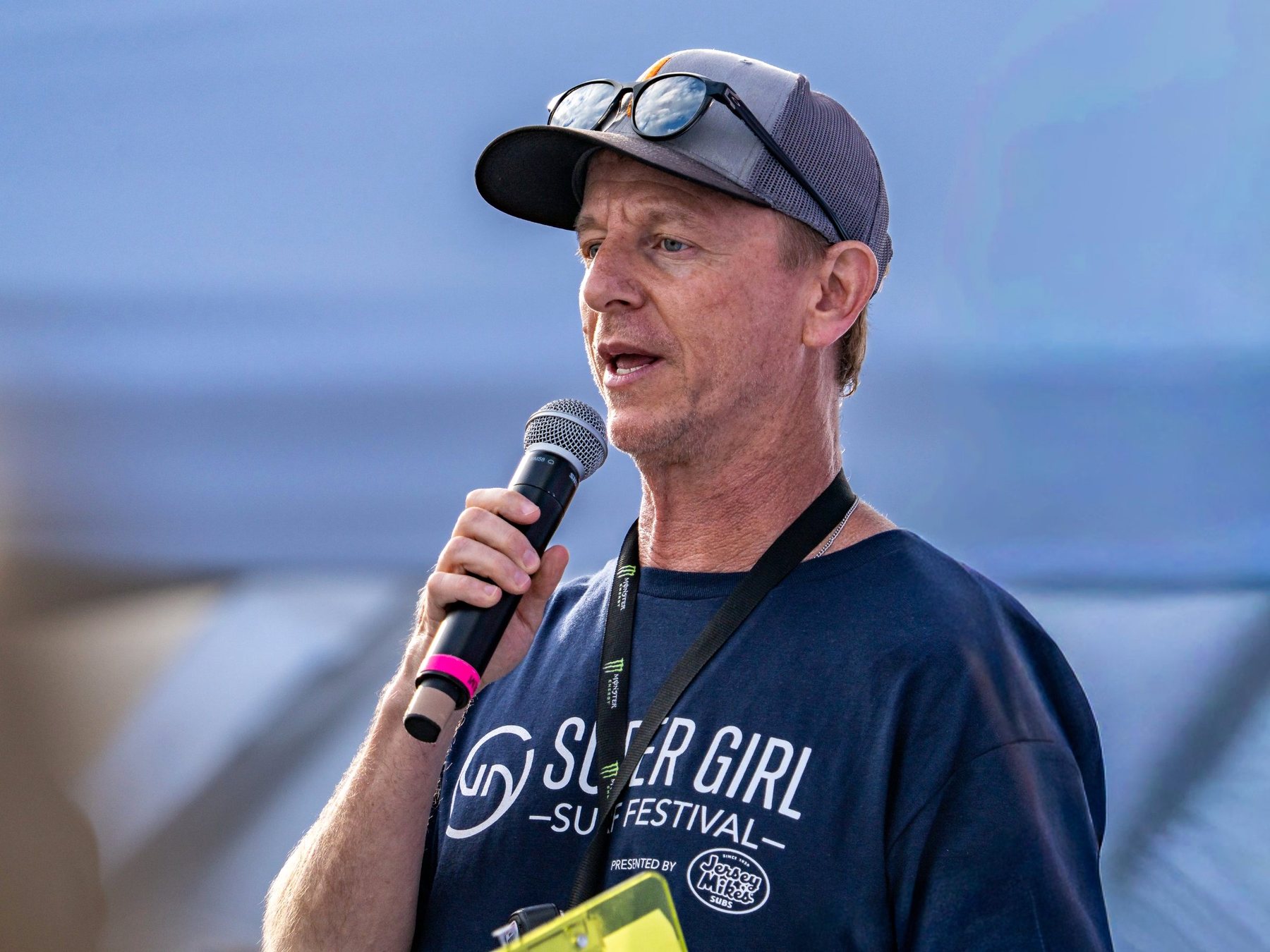
Asked what almost kept the event from happening here, and what could still threaten its future, Bratman named one thing.
“The biggest obstacle that we face in any event where you’re doing something at scale for free is corporate support,” he said. “… If we don’t have corporate support, then we can’t pay for all this, or it can’t be free.”
ASA runs events all over the country, and Bratman says most of them draw a healthy balance of national and local sponsors. Jacksonville is the exception.
“The corporate support really has not been what we had hoped it would be. It lags way behind… it’s a little bit depressing, because the corporations are there… We can’t even get a conversation. We can’t even get an audience,” he said.
Asked whether more attention on the event would help, he took the answer further than the question went.
“It’s very disappointing, because it’s not sustainable,” he said. “The event’s not sustainable if we don’t get corporate support. And we don’t ever want to move a Super Girl event, but when you have markets that are half the size of Jacksonville providing brands that give you 3 times the support, you just look at it and go … if corporate America doesn’t value a free festival that’s purpose-driven … and it reaches 55,000 people and is 400 hours of television coverage — if that’s not important to them, well then, the writing’s on the wall.”
The November 7–8 festival is going ahead. His warning is about the years after it. ASA expects to announce its decisions on the 2027 festivals in the first quarter of next year.
He hears plenty of enthusiasm along the way.
“When we talk to them, they’re like, oh my god, this is the best project ever,” he said. “And people will come, they’ll say, oh, I go to this event, it’s phenomenal, we love it. Great — help us out. And it just hasn’t been enough doors opened yet, so I’m hoping that will change.”
“We want to make sure that this event is secure in Jacksonville for a long time.”— Rick Bratman
Making the Introductions
Katie Mitura has heard a version of this before. She is the chief marketing officer at Visit Jacksonville, a sponsor of the event, and she recognized the difficulty Bratman described.
“Unfortunately, I’m not surprised to hear it,” she said. “It is something that we struggle with here at Visit Jacksonville, and something that we are proactively looking to improve upon here in Jacksonville.”
Mitura sees a need for more coordinated outreach and a clearer explanation of what sponsoring an event can offer, and she includes her own office in that responsibility.
“It takes time to really educate every single business, and I just don’t think anyone in the past has really gone to that effort of going to our local corporations,” she said.
The problem reaches past Super Girl.
“He isn’t the only event that struggles to find good sponsors that can really support bringing it back year after year,” she said. “This is a common piece that we deal with.”
She points to the Jacksonville Sports Foundation, which launched in May 2024 to help attract sporting events, and describes a role for it in connecting local corporations to those events and explaining the benefits of sponsorship.
“We know that if we want to be that world class events destination, then we have to have that backing here,” she said. “We have to know and be able to say, if you bring this many people to Jacksonville … we have the sponsors for you, and we don’t always have that right now.”
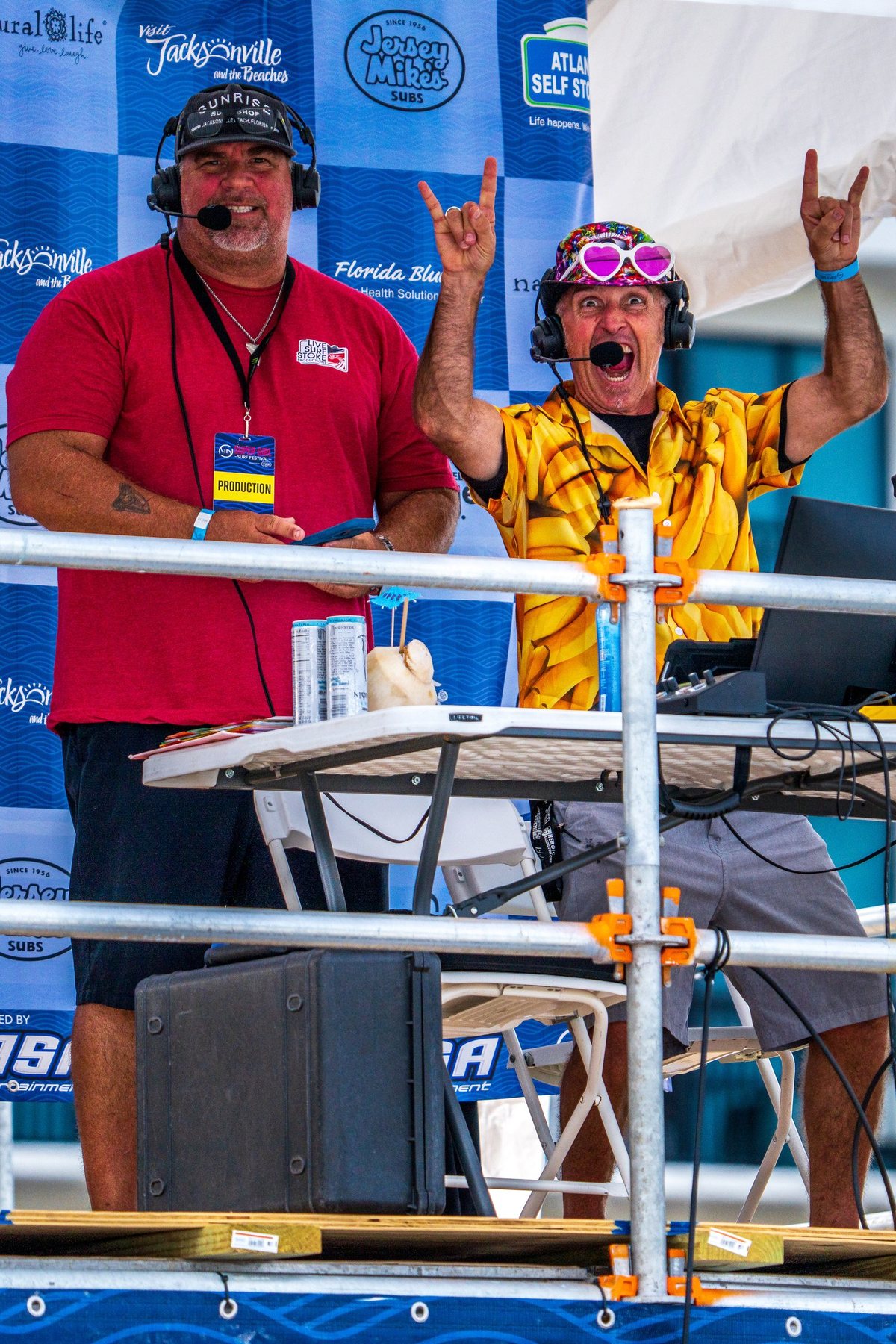
For Super Girl, she sees a potential match between the audience the festival brings together and the people brands want to reach.
“If your demographic is someone who is 18 to 30, female focus, women’s empowerment, you want this audience, then Super Girl is an amazing fit for you,” she said. “And I don’t think there’s a ton of brands out there who aren’t looking at that age group right now.”
Her own pitch to a company would be personal.
“I would tell them about the event. I would try to pull their heartstrings,” she said. “I would actually say, you being associated with an event that, of this caliber, with this audience, with this future, generations of women in this community, who can be those eight year old girls who are walking away with something with your logo on it — that is a brand opportunity that not a lot of people have.”
She also points to the television exposure that continues after the barricades come down.
“Super Girl is not just a weekend of you interacting with the people at the audience, but it’s a TV show, too, when they do 300 hours of Jacksonville coverage after they leave the destination,” she said. “And I know that works because my sister-in-law who lives in Philadelphia — every time she sees that Super Girl TV show, she goes, we have to come down some year.”
“They’re actually talking about Jacksonville, putting that image of Jacksonville out there.”— Katie Mitura, Chief Marketing Officer, Visit Jacksonville
She was clear that closing sponsorships is not her department. But she described taking the concern to her CEO, roughly a month before this interview.
“I already went to my CEO and said, hey, what are we doing? What can we do? What are those next steps to really make sure this event doesn’t go away?” she said. “… I honestly believe that we’re gonna be able to help Rick find that sponsor, and this event isn’t gonna go anywhere, that we are laying the groundwork to make this easier for other events in the future.”
Ten Years From Now
The last thing Bratman was asked was what he would hope had not changed if someone came to Super Girl for the first time this November and came back in ten years with their daughter.
“Just the way that the event inspires women,” he said. “… We’ve had musicians who have come and had never surfed, and they got in the water because surfers were like, hey, we’ll give you a lesson. And now they’re diehard surfers.”
“And so we want the women to inspire each other and the whole festival itself to just be a platform for empowering and uplifting women. So I hope that never changes.”
Asked to finish the sentence — Jacksonville Beach is the kind of place that — he went to growth.
“Continues to grow and produce better and better surfers every year,” he said. “We’ve definitely seen there’s a lot of new hotels and new restaurants that have popped up in the last couple of years, and it’s definitely a more attractive tourism destination than it used to be when we started 6 years ago. So it’s kind of fun to be a part of that.”
The festival has friends here. Its published founding partners are Jersey Mike’s, Visit Jacksonville, Florida Blue — a major health insurer — and Atlantic Self Storage, a family-owned company with more than fifty locations across northeast Florida. Further down the partner list sit TacoLu, Salt Life Food Shack, The Local JAX, Surfer The Bar and 904 Happy Hour. The First Coast turns out for its own event.
Of the major companies based here, Bratman says, only Florida Blue sponsors above a small-vendor level. What he is asking for is more of that tier: the companies whose names are on the buildings he and his colleague were looking up at from the car. He describes doors he cannot get through. Mitura describes introductions that still need to be made. Somebody has to make them.
For the Clark family, the value of having the contest close to home is easier to describe.
“It means a lot,” Shannon Clark said. “We have been attending this contest in Jacksonville since the first year they had it and it’s always one of our favorite weekends. She gets to see professional women competing at an incredible level right in her own backyard, while also having the opportunity to be part of that field herself.”
“I think it is powerful for young girls to see women pursuing their sport at the highest level. It shows them what is possible and gives them people to look up to.”— Shannon Clark
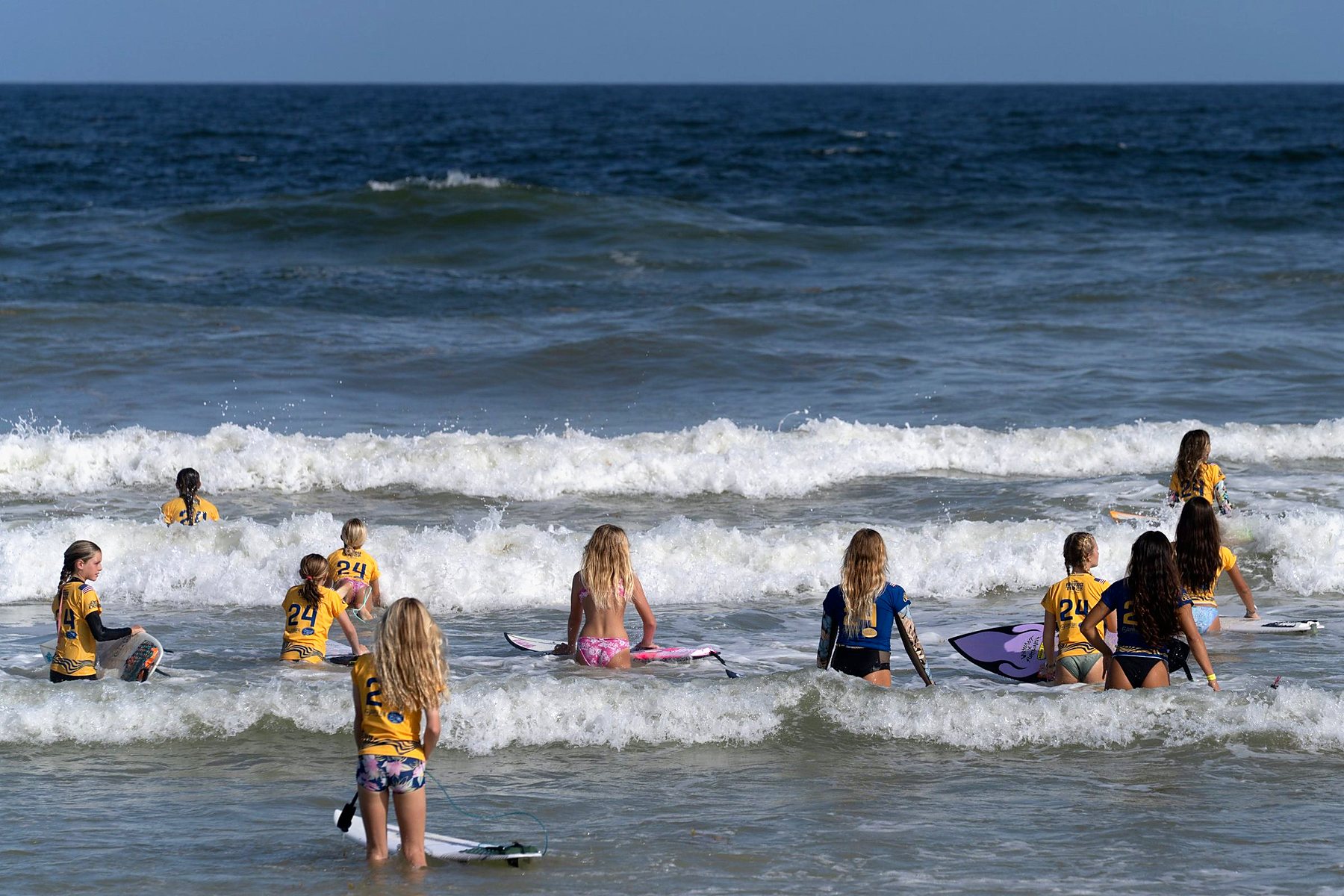
This November, Emerson gets that opportunity at home. Bratman is looking for the backing to keep offering it.
Editor’s note: The local-entry estimates are Bratman’s. He also cites an audience of 55,000 and 400 hours of television coverage; Mitura cites 300 hours of Jacksonville coverage. First Coast Lineup has not independently verified these figures, and the broadcast totals may not cover the same period. They are the sources’ claims, not audited measures.
How this story was reported: Rick Bratman was interviewed by video call on July 17, 2026, and followed up by email; Katie Mitura was interviewed on Aug. 21, 2026. Their quotations are verbatim from the recordings, with filler words such as “you know” removed and an ellipsis marking any other cut. Shannon Clark and Sophie Falzone answered written questions in October; their answers are quoted as written, with typos corrected. Off-the-record material is excluded. Jacksonville results are from the World Surf League; Trestles results are from First Coast Lineup’s coverage.
First Coast Lineup accepts no advertiser or sponsor influence over editorial coverage. Visit Jacksonville is a sponsor of the Super Girl Surf Festival; it is not a sponsor of this magazine. No copy approval was offered to any subject.